
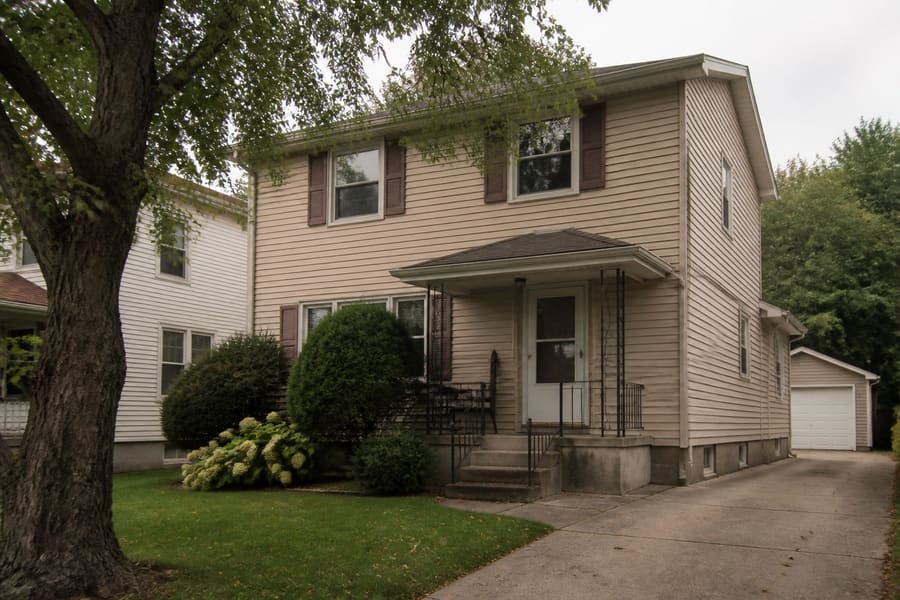
Detached houses
Room to work and a driveway to stage from, which keeps machines and dust out of the living space. Usually the whole ground floor plus stairs, done as one run so the boards match end to end.
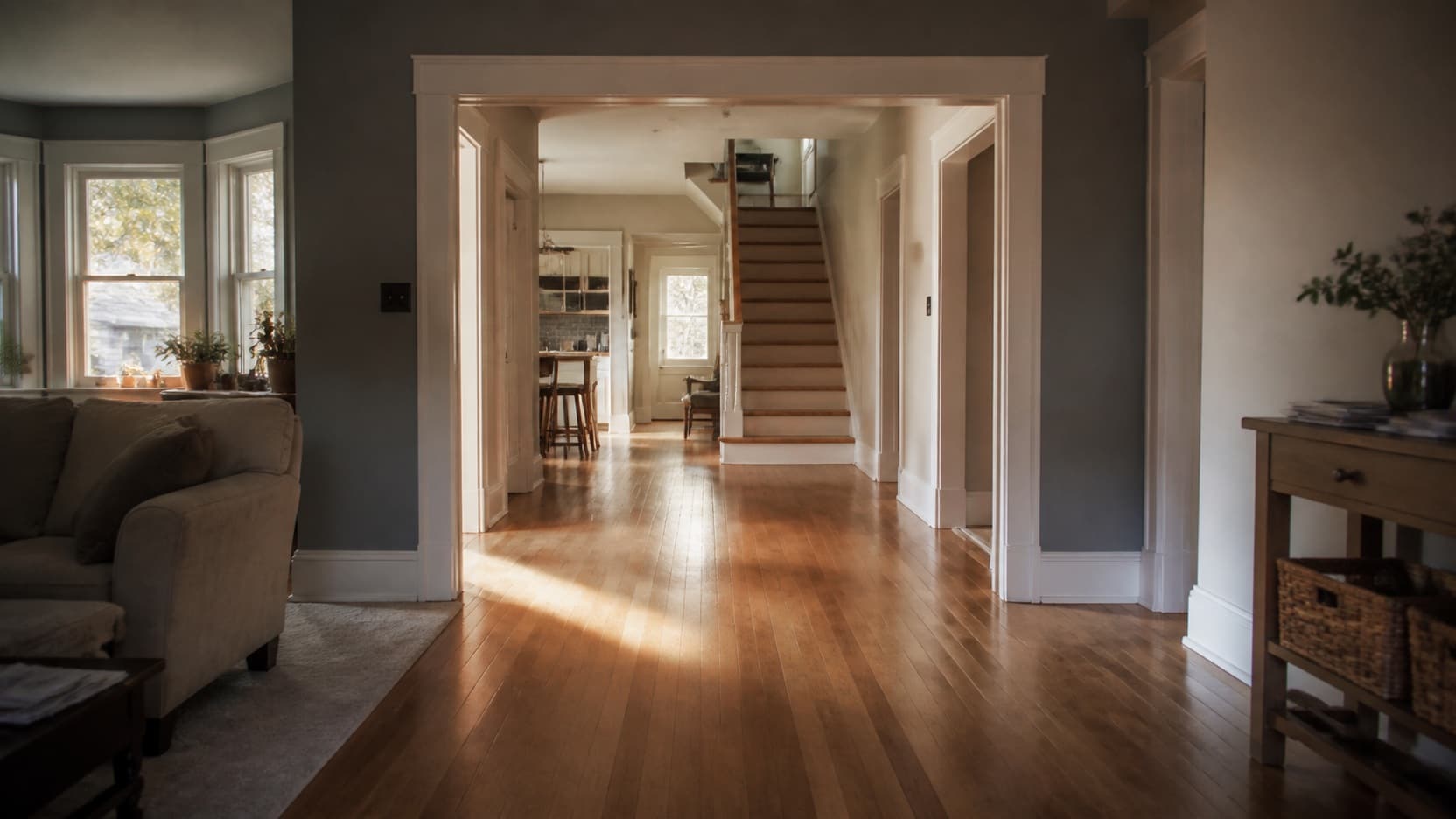
We refinish, recoat, repair and lay wood floors in Staten Island houses. Whole ground floors, bedrooms, landings and the stairs in between. Before you call anyone, here is what the work actually involves.
A name, a number and a line about the room is enough to start.
Five questions worth settling first, answered here rather than after you have already committed to somebody.
Area, condition, and how much has to be worked around. Not a rate card. A clear room of sound oak is the cheap version of any of this work. Stairs, repairs, built-in furniture and a floor that has already been sanded thin are what move it.
Often it does not. If the damage is in the finish rather than in the wood, a buff and recoat gets you a fresh floor in a fraction of the time and cost. We will tell you when that is the answer, because the alternative is selling you a bigger job than your floor needs.
A single room refinish is usually a few days from first cut to last coat, and the finish then needs time before furniture goes back. A whole ground floor takes longer, and the honest number depends on the coats and the drying, not on how fast anyone works.
Most people do. We work in sections so there is somewhere to live, and we talk through which rooms are sealed off and when, before anything starts. If the whole floor goes at once, staying is harder and it is better to know that in advance.
Sanding makes dust. Machines running on dust extraction take most of it at the source, and sealing doorways and vents takes most of the rest. Anyone promising you none of it is telling you something that is not true.
Six kinds of floor work. If you are not sure which one you need, the first two are where most people start.
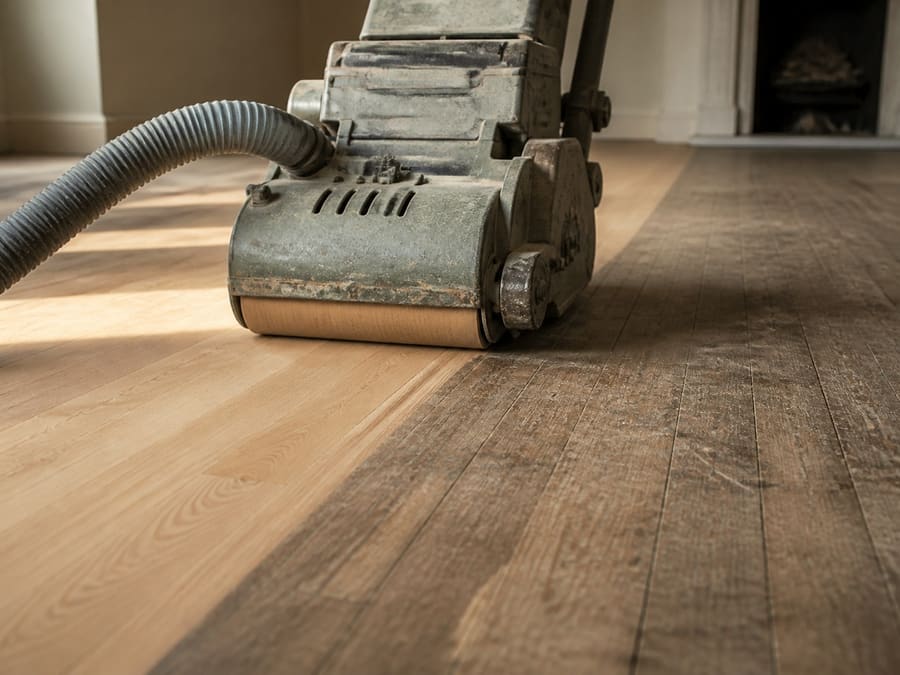
Sanding a tired floor back to bare wood and finishing it again. The full job, and the one that resets a floor completely.
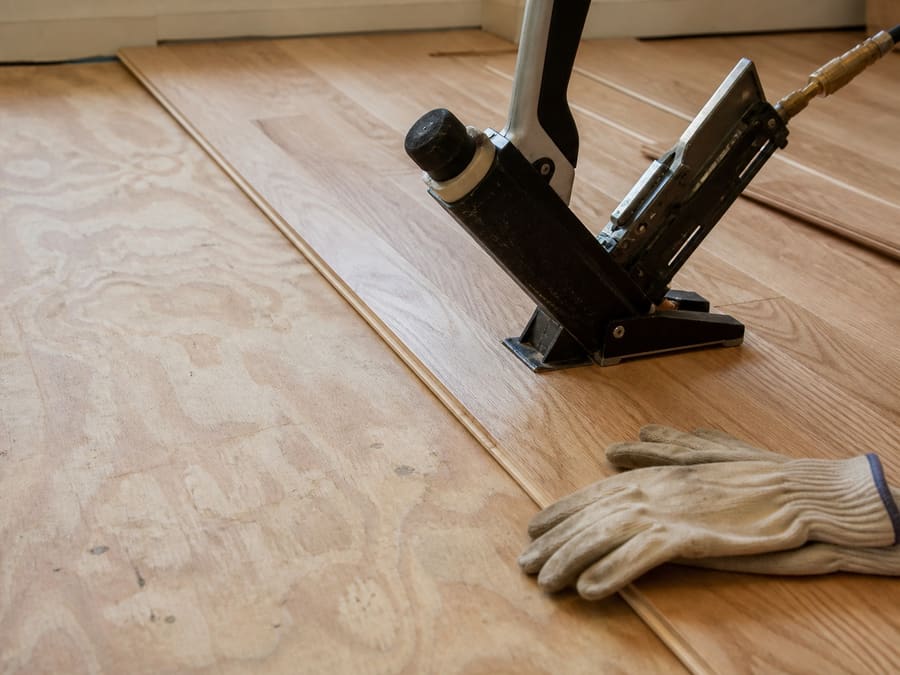
A new wood floor, solid or engineered, over a subfloor that has been made right first.
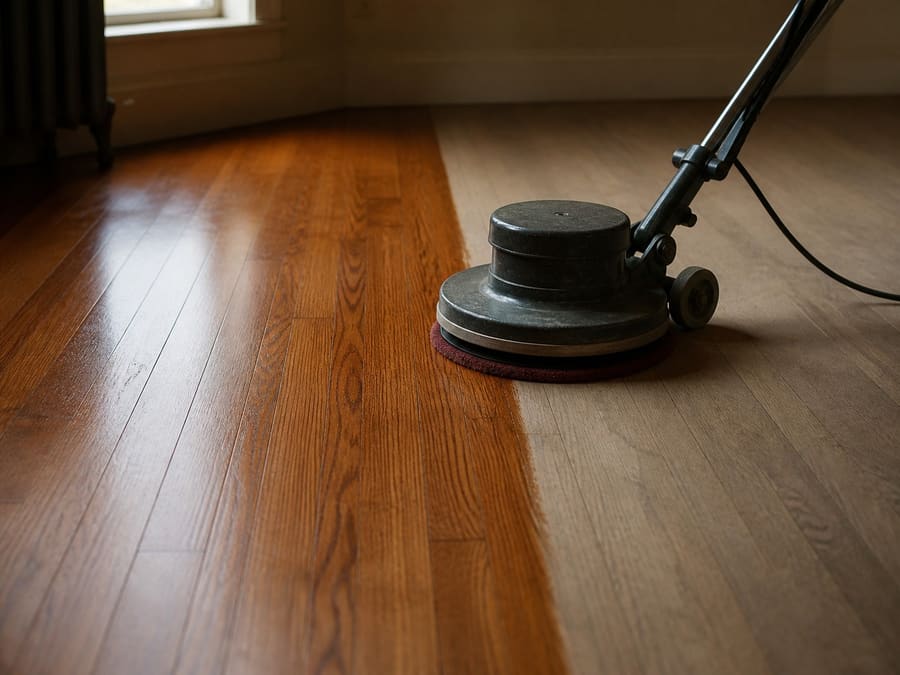
A fresh coat over the finish you already have, with no sanding. The cheaper answer when the wood underneath is still sound.
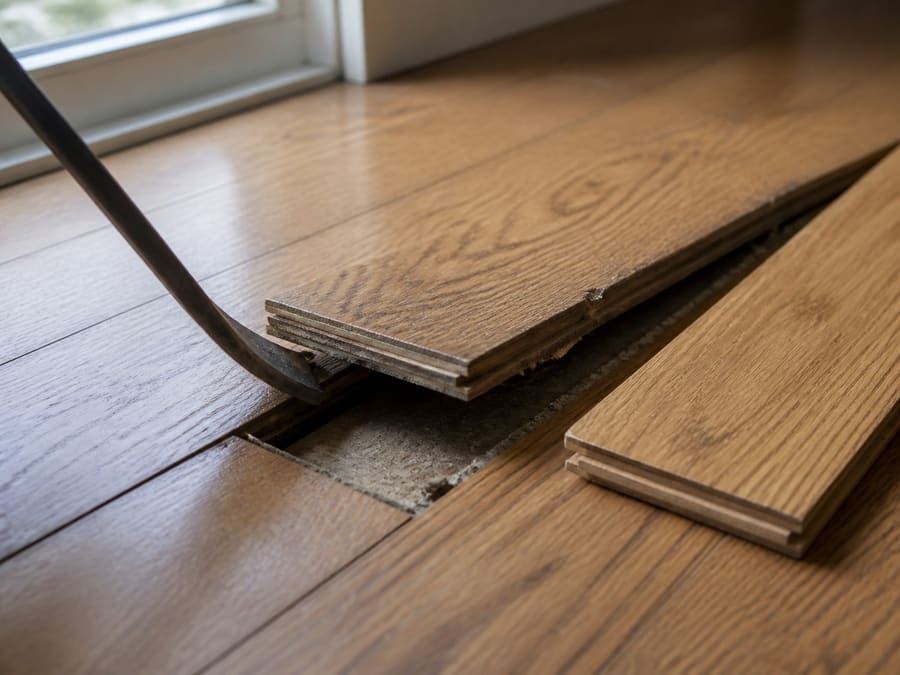
Water damage, cupped and split boards, gaps, squeaks and worn patches, dealt with on their own.
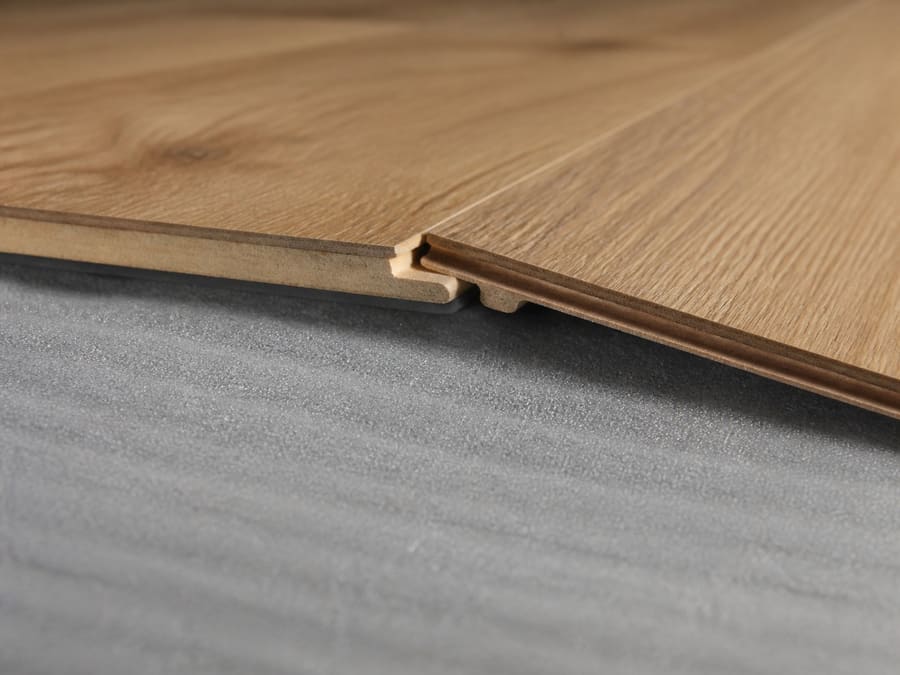
A hard wearing floor that goes down fast and costs less than wood.
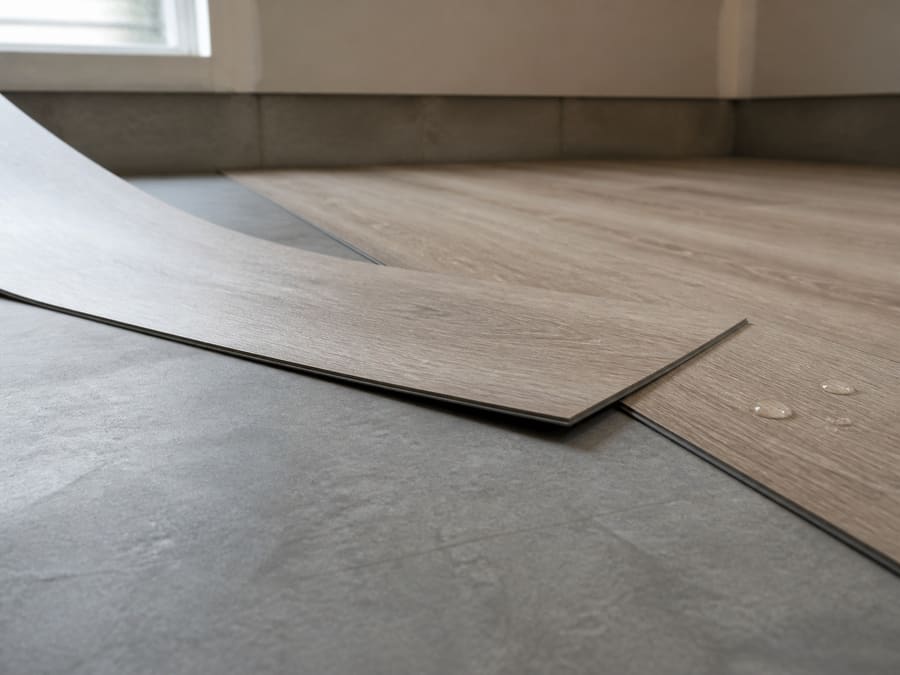
Waterproof through the whole plank. For basements, kitchens and anywhere water rules wood out.
Most floor work here happens in somebody's own house rather than in a rented unit or an apartment in a managed building. That changes the job more than it sounds like it should.
It means the decision is yours. There is no managing agent to clear it with, no board to approve a finish, and no building rule about which days the work may happen. It also means the floor does not stop at one room. A hallway runs into a living room, a living room runs to the foot of a staircase, and the staircase goes up to a landing with the same boards on it. Quoting one room and ignoring where it leads is how a floor ends up with a visible line across it.
So we look at the whole run, not the room you called about. Sometimes the answer is that only the room needs doing and the rest can wait a few years. Sometimes it is that the hallway is the part that is actually worn and the room is fine. Either way it is better established before anything starts than after.
Different kinds of Staten Island home ask for different things from a floor job.
Room to work and a driveway to stage from, which keeps machines and dust out of the living space. Usually the whole ground floor plus stairs, done as one run so the boards match end to end.
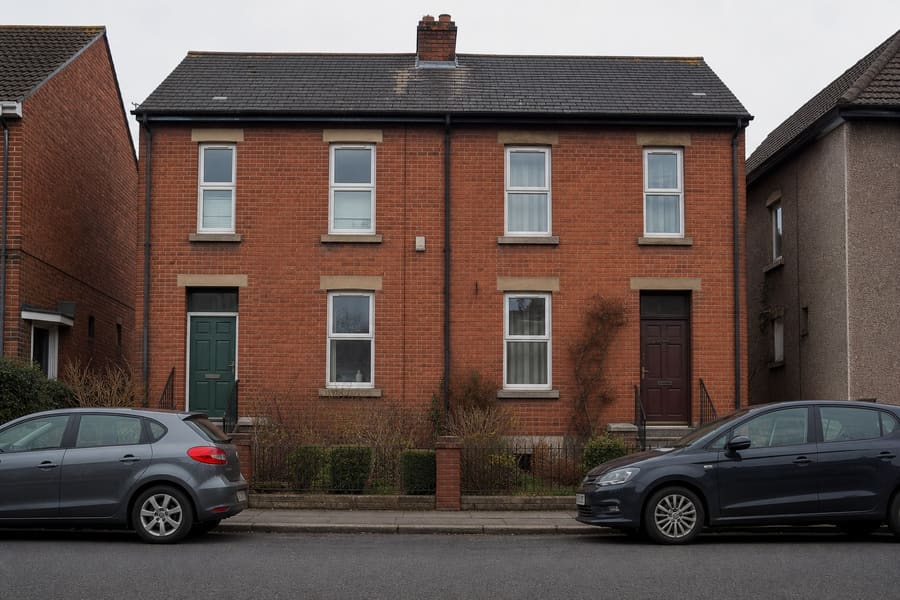
A shared wall means noise carries, so the loud part of the work is kept to sensible hours. Layouts are narrower and often run front to back, which makes the direction the boards run worth deciding rather than defaulting.
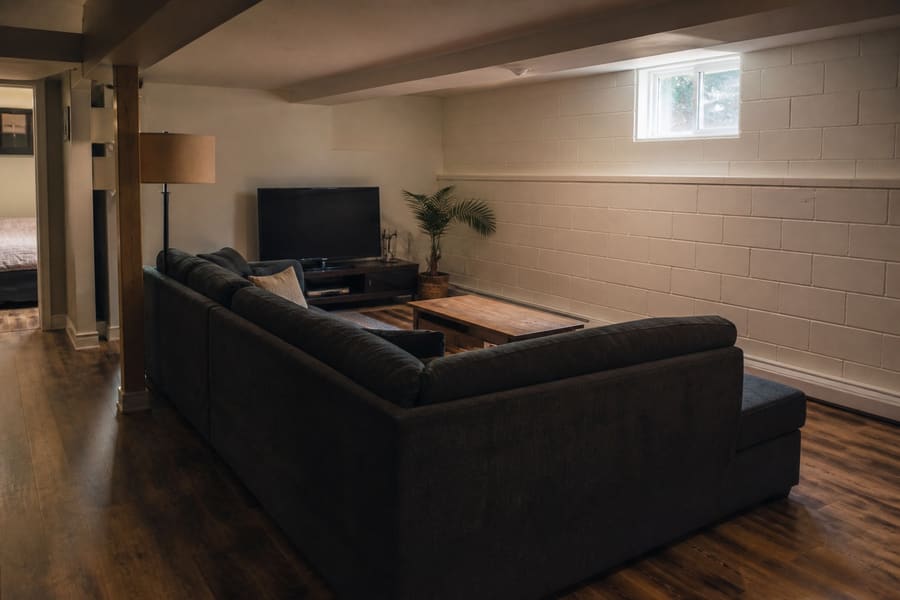
Below grade is where wood is usually the wrong answer and vinyl plank is the right one. Concrete needs levelling and a moisture check first, and skipping that is what makes a basement floor fail a year later.
Not sure whether your floor needs sanding or just a recoat? Say what it looks like and we will tell you.
Call (929) 207-0785You tell us the rooms, roughly how big, what the floor is now, and what is wrong with it. Photographs help more than measurements at this stage, especially of the worst patch and of anything near a door or a radiator.
That is usually enough to say which of the six jobs you are looking at, and what the range depends on. It is not enough to give you a final figure, and anybody who gives you one over the phone without seeing the floor is guessing. Seeing it in person is what turns a range into a price.
After that you get the scope, what it involves, how many days, and what has to be moved before we arrive. Nothing starts until you have agreed to all of it.
The same wood floor work in every borough, and a page for each one.
Prewar co-ops and condos, elevator buildings and walk-ups, where board approval and building hours shape the schedule.
Apartment blocks, two and three family houses, and parquet floors that often have more life in them than people expect.
Brownstones and row houses with original boards, alongside new build condos with engineered floors over concrete.
Attached and semi detached houses, garden apartments and co-ops, each with its own access and scheduling reality.
What a floor job costs, what your building asks for before it starts, and the whole picture in one place.
Call and describe it, or send the details and photographs and we will come back to you.